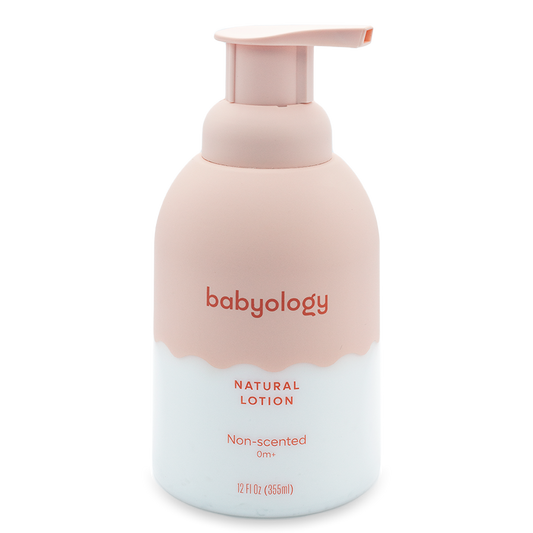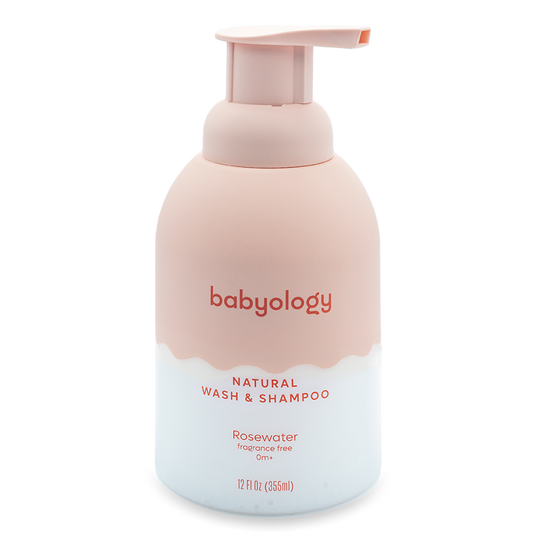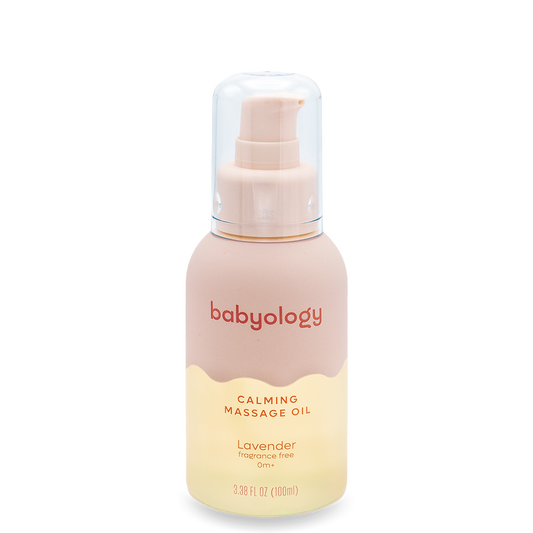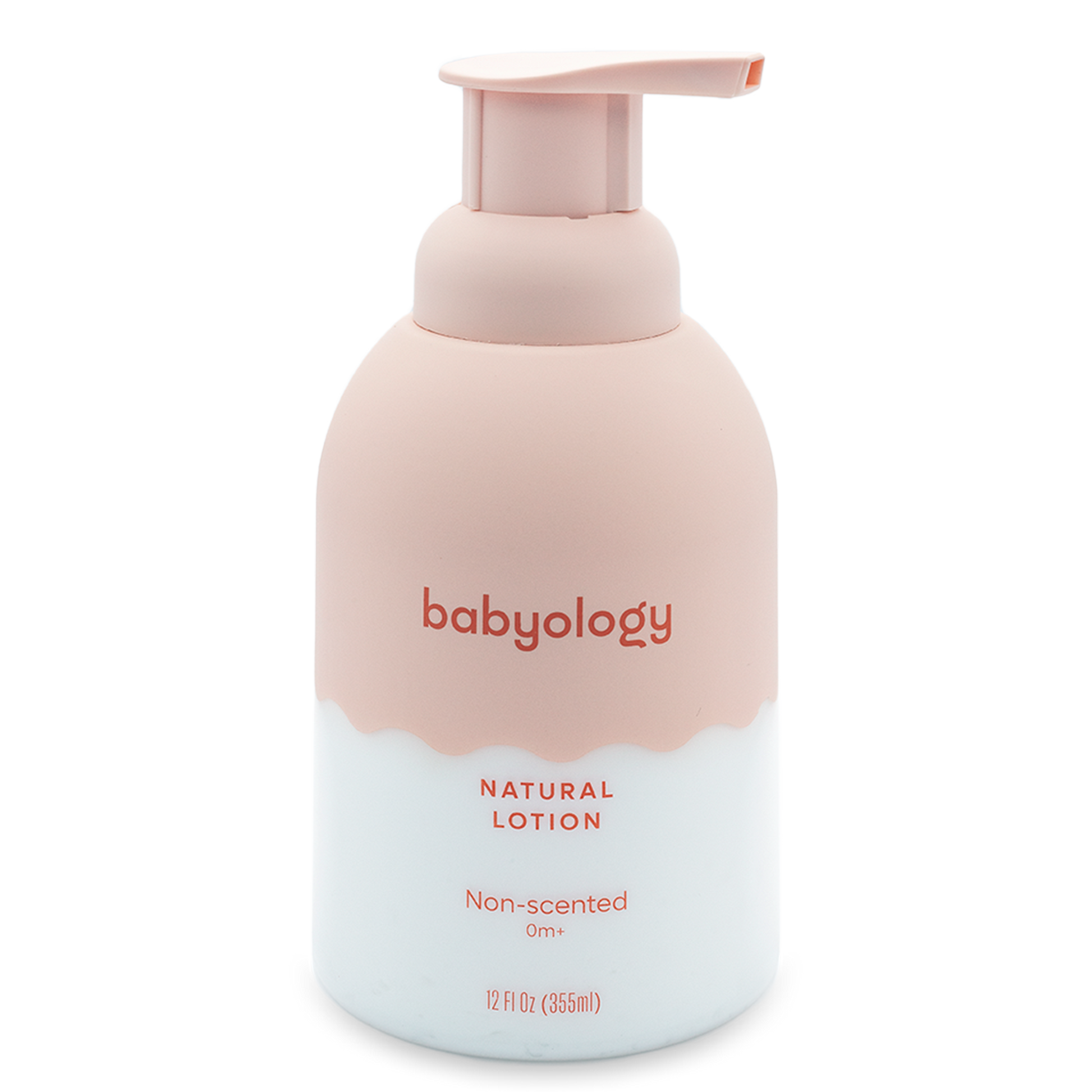
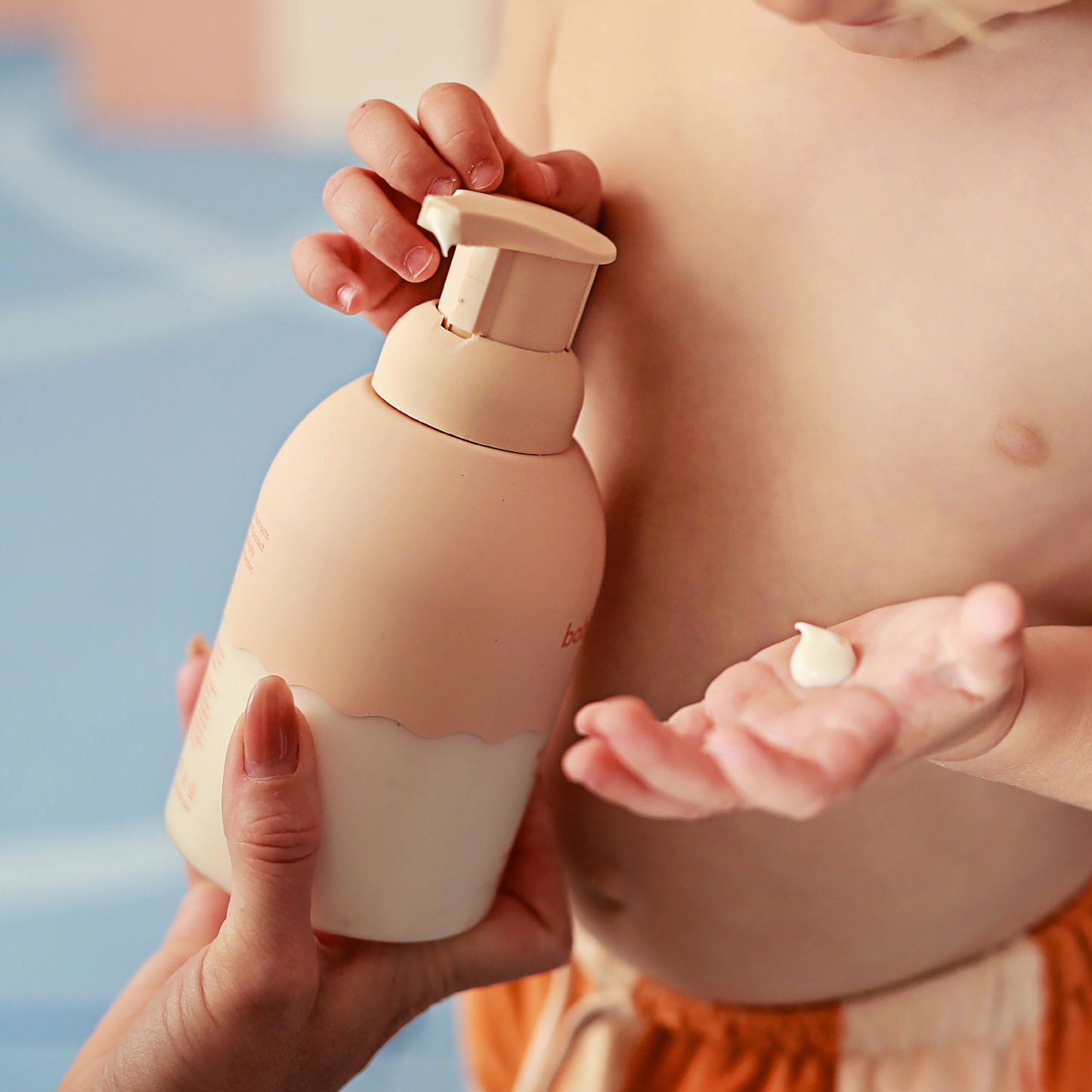
Baby skin can change quickly, and small signs often show up before parents expect them. When dryness, redness, or rough patches appear, it may be time to switch to a gentler, non toxic lotion that supports the skin without overwhelming it.
Some families learn about safer routines through guides that explain gentle products, such as this post on best organic baby bath products, which helps parents understand how simple ingredients protect delicate skin.
Why Some Lotions Cause Skin Reactions
Some baby lotions contain ingredients that are too strong for sensitive skin. Even formulas advertised as “mild” can include additives that create small reactions or dryness over time.
Common causes include:
-
Fragrance blends that irritate warm or humid skin
-
Harsh preservatives that disrupt the skin barrier
-
Alcohol-heavy formulas that dry out the skin
-
Dyes or unnecessary fillers
-
Long ingredient lists that increase the chance of irritation
These reactions often show up in small ways at first, which is why paying attention to changes helps parents spot the need for a gentler option.
Skin Signs That Suggest It Is Time to Switch to a Non Toxic Baby Lotion
Baby skin sends early clues when a product isn’t working well. These signs are easy to miss, but they matter.
Look for:
-
Redness that appears soon after applying lotion
-
Dry patches that stay the same or become rougher
-
Flaky spots, especially around cheeks and arms
-
Tiny bumps or a sandpaper-like texture
-
A tight or tacky feel on the skin
-
Chin irritation from drool
-
Red folds in warm or humid weather
-
Sudden discomfort when lotion is applied
These changes often mean the skin needs a formula that avoids harsh additives and supports the barrier more gently.
Why Non Toxic Baby Lotion Helps With These Skin Signs
A gentle, non toxic lotion supports the skin without overwhelming it. Babies benefit from simple formulas because their skin barrier is still developing and reacts quickly to strong additives.
These lotions help by offering:
-
Hydration that settles into the skin instead of sitting on top
-
Fewer irritants that trigger redness
-
Calming support for sensitive areas
-
A texture that works for both face and body
-
Comfort during weather changes, from humid days to cooler months
This shift gives the skin space to heal and stay balanced through everyday routines.
How Climate Affects the Need for a Non Toxic Baby Lotion
Where a family lives can shape how a baby’s skin reacts. Weather, moisture levels, and daily temperatures all influence how the skin feels and what type of lotion works best.
Here’s how climate plays a role:
-
Hot and humid areas often cause sweat bumps, sticky skin, and heat rashes
-
Dry or cold regions may lead to rough patches, redness, and tight skin
-
Windy or high-altitude locations can cause chapping or discomfort
Parents learning about weather-related reactions often explore gentle routines similar to those described in posts about best baby lotion for newborns to understand how climate affects product choice.
Texture Differences When Switching to a Non Toxic Baby Lotion
The texture of a lotion can change how well it works in different conditions. Parents often notice the feel of the product before anything else, and this helps guide the switch.
Common texture preferences include:
-
Lightweight lotions during warm, sticky weather
-
Richer lotions for cold or dry seasons
-
Non greasy options that don’t trap sweat
-
Fast-absorbing formulas for quick morning and bedtime routines
A smooth texture that settles well into the skin usually works best for babies with sensitive skin.
Ingredient Checklist for a Safe Switch
A simple ingredient list can make a big difference when choosing a non toxic lotion. Babies respond well to formulas that rely on gentle, plant-based hydration instead of strong additives.
Parents often look for ingredients such as:
-
Aloe for soothing warm or irritated skin
-
Sunflower or coconut oil for soft, lasting moisture
-
Oat extract for dry or rough patches
-
Calendula for calming sensitive areas
-
Shea or cocoa butter for cooler seasons
-
Glycerin for steady hydration throughout the day
Families who prefer simple skincare routines often pair these choices with mild products used during bath time, such as those explained in guides about baby shampoo ingredients to keep the overall routine gentle.
When to Switch Immediately
Some reactions are clearer than others and may need quicker attention. These signs suggest it’s best to change lotions right away:
-
Redness that spreads rather than settles
-
Persistent dryness that doesn’t improve
-
Tiny bumps appearing soon after lotion use
-
Baby rubbing or scratching more than usual
-
Breakouts forming in warm folds like the neck or thighs
-
Discomfort during or right after application
Quick changes help prevent these signs from becoming more uncomfortable.
How to Make the Switch Smoothly
Switching to a new baby lotion doesn’t need to be sudden. A gentle transition often works best, especially for sensitive skin.
Helpful steps include:
-
Introduce the new lotion slowly
-
Try a small patch test on the arm or leg
-
Apply after bath time for better absorption
-
Keep the routine simple for a few days
-
Watch for improvements within the week
A calm, steady routine gives the skin time to adjust at its own pace.
Common Myths About Switching to a Non Toxic Baby Lotion
Parents often hear mixed advice when choosing gentle skincare products. Some ideas sound reassuring, but they don’t always match how baby skin actually behaves.
Common myths include:
-
“Non toxic lotions are too light to help dry skin”
-
“Fragrance-free products don’t smell nice, so they won’t work well”
-
“Natural lotions can’t soothe irritation fast enough”
-
“Only thick lotions work in cold weather”
-
“Non toxic means the same as homemade or unscented”
Clearing these up makes it easier to trust the signs your baby’s skin is showing.
Finding the Right Time to Switch to a Non Toxic Baby Lotion
Baby skin changes with weather, routine, and age. When small signs of irritation begin to appear, a gentle non toxic lotion can help bring the skin back into balance. Simple formulas often pair well with calming routines, including soft massage moments explained in guides like baby massage oil, which support comfort and help the skin stay nourished.
A careful switch based on early skin signs keeps your baby comfortable through warm days, cool seasons, and everything in between.
Frequently Asked Questions
How do I know if my baby needs a non toxic lotion?
If redness, bumps, or rough patches appear after applying their current lotion, it may be time to switch to something gentler.
Is non toxic baby lotion safe for newborns?
Yes. Non toxic formulas are designed to be mild, simple, and easy on delicate newborn skin.
Can climate affect how baby lotion work?
Warm, humid weather can cause sweat-related irritation, while cold or dry climates can lead to rough or flaky skin. The right lotion depends on both the skin and the environment.
How long until I see improvement after switching?
Most babies show improvement within a few days to a week once the irritants are removed.
What ingredients should I avoid in baby lotion?
Strong fragrances, heavy preservatives, dyes, and alcohol-heavy formulas can irritate sensitive skin.