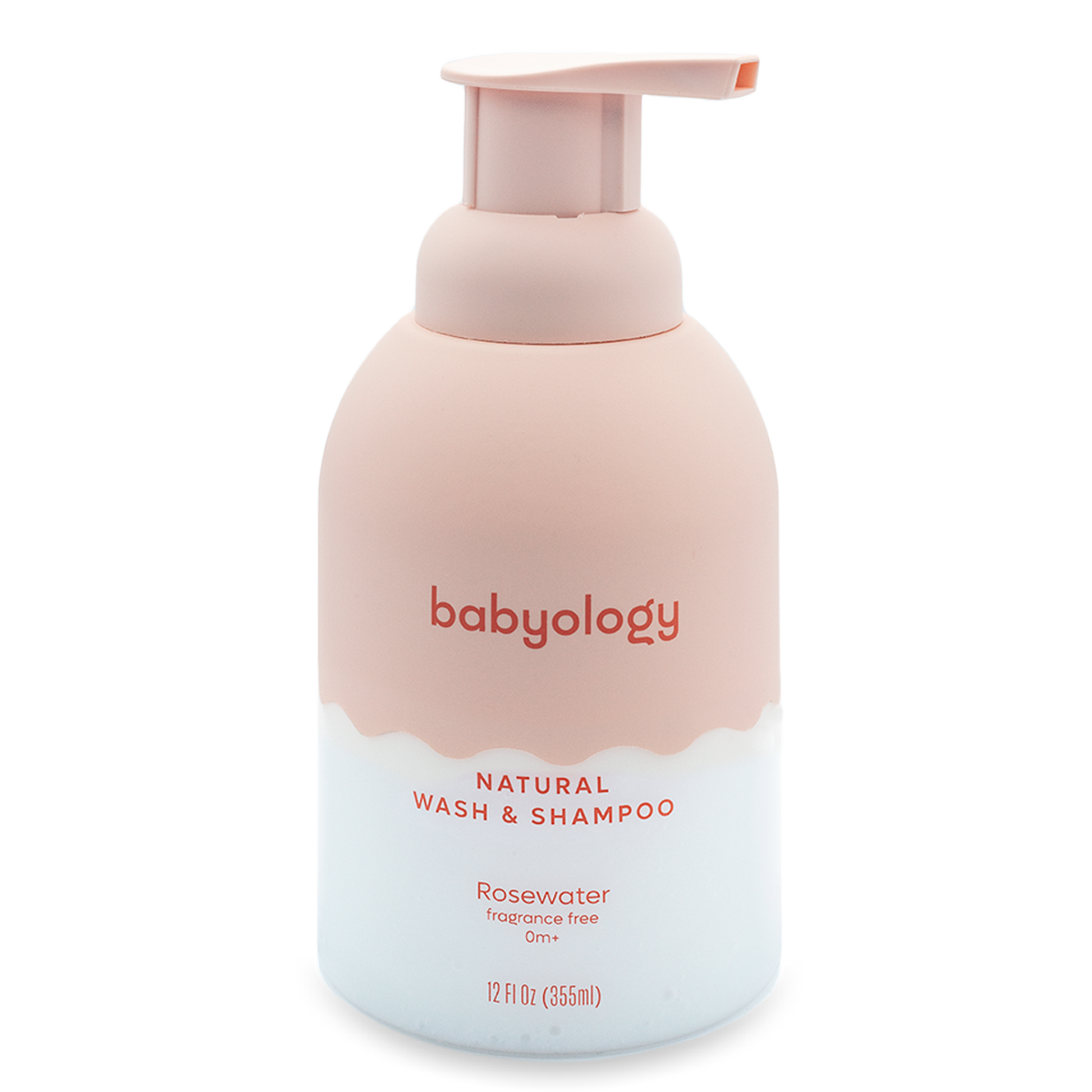
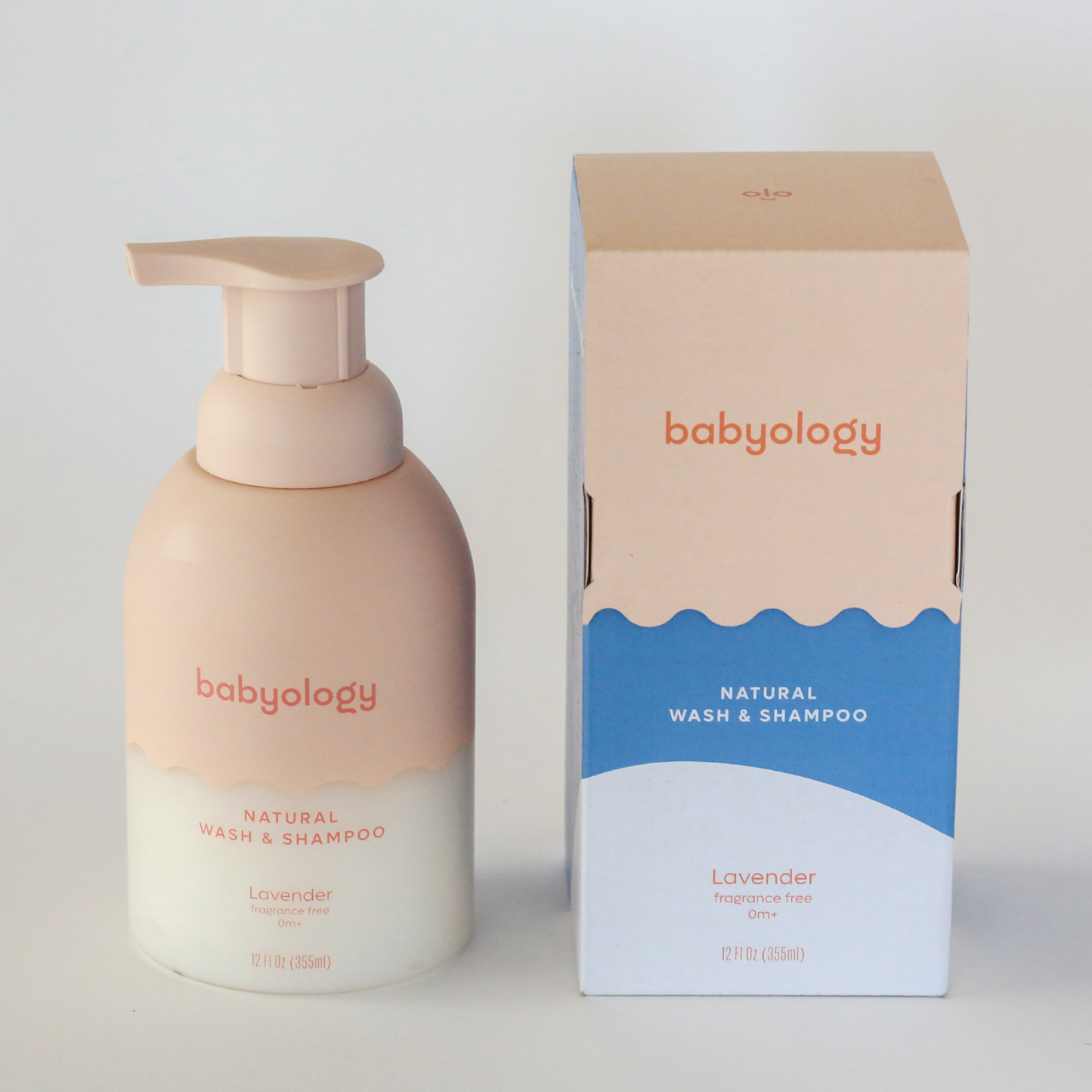
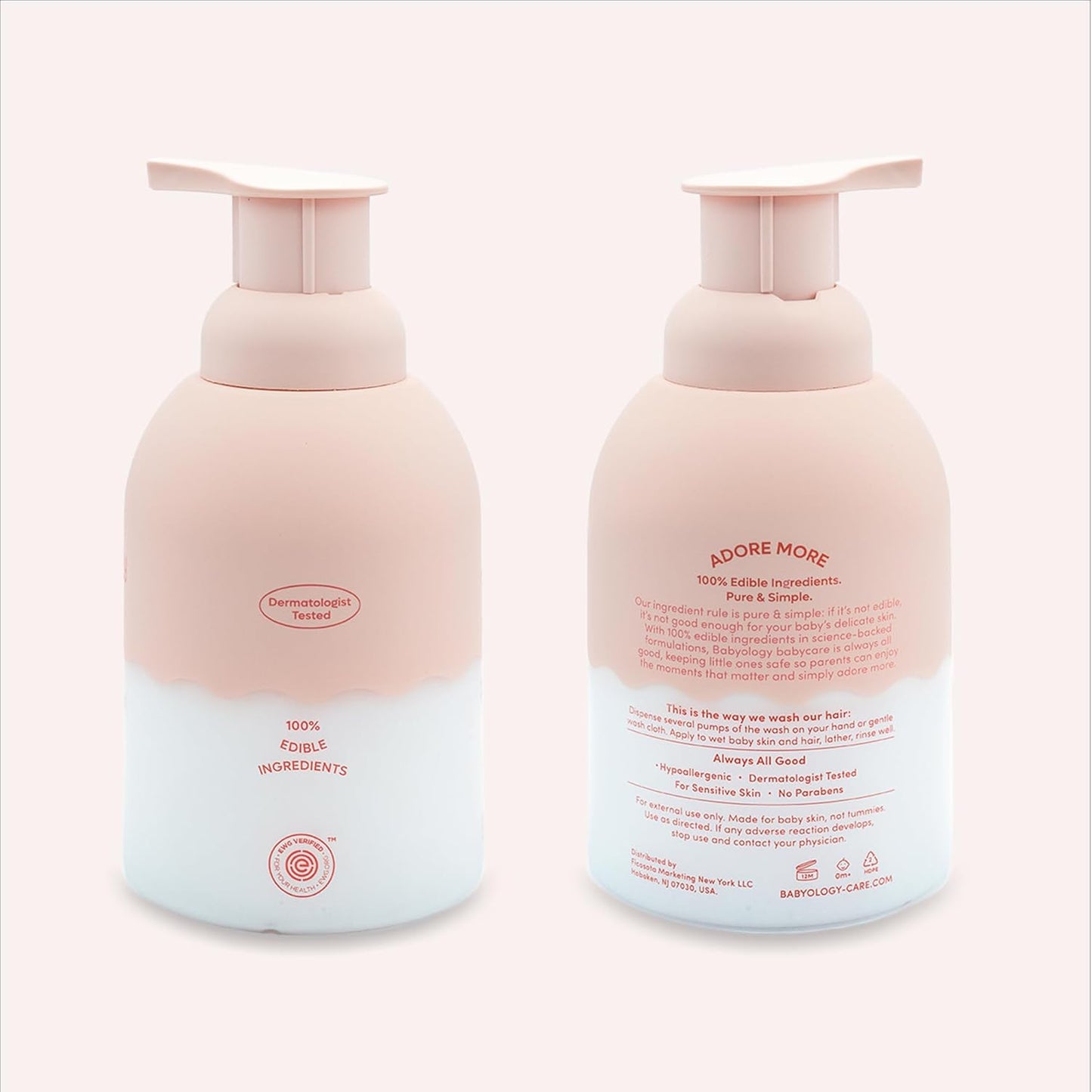
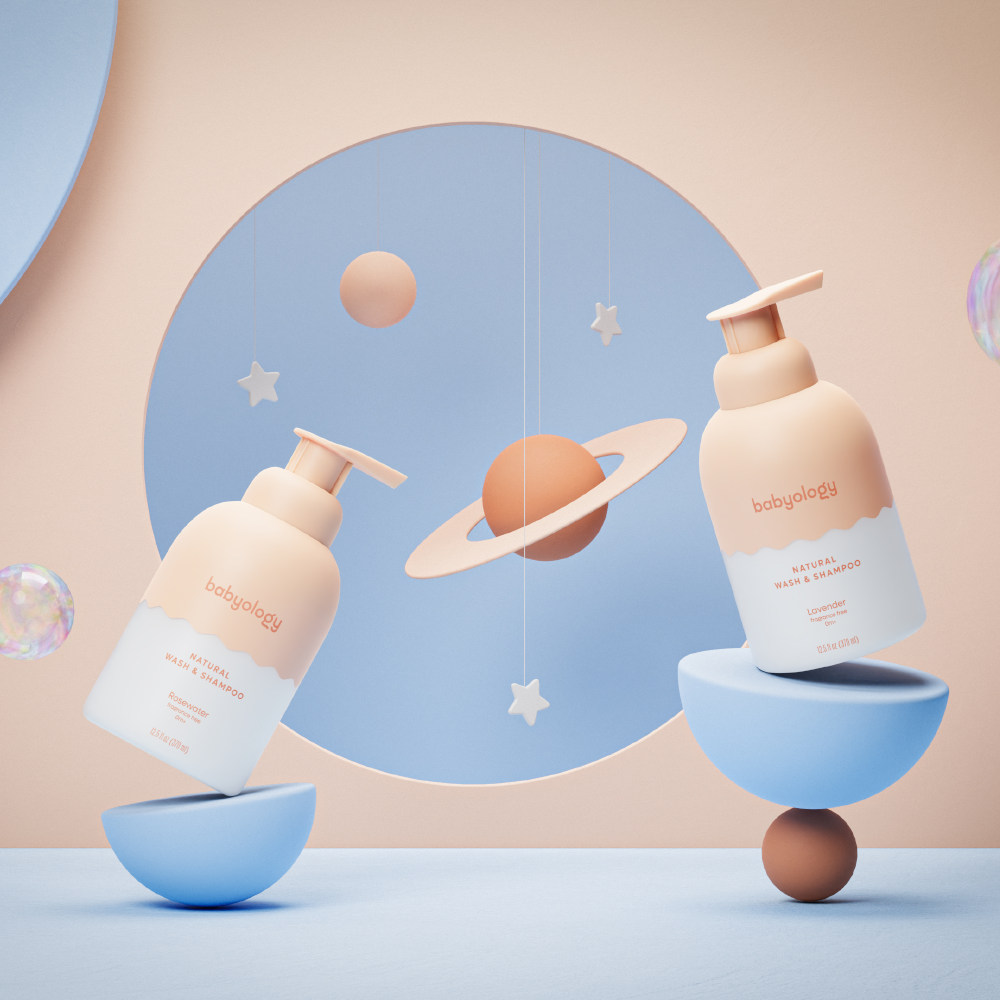
Bath time can feel like a sweet, calming routine one minute, then a splashy surprise the next. If your baby grabs bubbles and tries to taste whatever’s in reach, you are not alone.
This guide will help you understand what “flavored shampoo” really is, what makes a formula safer, and what to do if your little one gets a tiny mouthful.
Why Babies Put Shampoo in Their Mouths
Babies learn with their whole bodies, and their mouths are a big part of that. Mouthing is a normal stage of development, especially in the first year.
They are doing something called oral exploration, which is how they test new textures and sensations. Warm water, slippery suds, and fun smells can make bath time extra tempting to taste.
Bath time also puts products right at face level. A baby may smack the water, then rub their eyes, then lick their fingers, all in a few seconds.
If this is happening in your home, it does not mean you are doing anything wrong. It usually means your baby is curious and growing.
What Parents Worry About Most With Flavored Shampoo
It makes sense to feel uneasy when something meant for hair ends up in a baby’s mouth. Most parents worry about a few specific things.
-
Accidental swallowing
-
Harsh chemicals that should never be ingested
-
Artificial flavors or sweeteners
-
Skin irritation on delicate baby skin
-
Long-term safety concerns from repeated exposure
If you’ve been searching questions like “Is it toxic?” or “What if they swallow it?” you’re trying to protect your child, and that caring instinct matters.
What Flavored Shampoo Actually Means
“Flavored” can sound like it belongs in food, but in baby care it usually has a more specific goal. In simple terms, it means the product may taste less bitter than a typical shampoo.
Flavor is different from scent. Scent is what you smell, while flavor is what you notice if a tiny bit touches the tongue.
A flavored baby shampoo is not meant to encourage eating. It is often meant to reduce distress during rinsing, since a less bitter taste can mean fewer tears when water runs down the face.
If you want a deeper breakdown of how brands talk about edible-grade ideas in baby wash, you can read this gentle explainer on edible shampoo without feeling overwhelmed.
How Safe Flavored Shampoo Is Formulated
The safest versions are made with a “safety-first” mindset, because brands know babies mouth everything. A well-made formula focuses on mild cleansing, simple ingredients, and extra care around anything that could end up near the lips.
Here are a few signs of a safer approach, explained in plain language.
Edible-grade or food-safe ingredient sourcing
This usually means the ingredients are chosen with stricter safety standards in mind, especially for accidental taste.
No added sugar
Sugar can make a product more tempting to swallow, and it can also raise other concerns. A good baby formula does not need it.
No artificial dyes or synthetic flavoring
Bright colors and strong artificial flavor systems can be unnecessary in baby care. Many parents prefer simpler choices for delicate skin.
A gentle cleansing base made for baby skin
Baby skin is thinner and more sensitive than adult skin. Mild cleansers help reduce dryness and irritation.
If you like reading labels and want a simple way to spot a gentle wash, this guide on a clean baby shampoo can help you understand what those common terms usually mean.
What Happens If a Baby Swallows a Small Amount
First, take a slow breath. In many cases, a small accidental taste is considered low risk when the formula is truly made for babies and uses gentle ingredients.
There is a big difference between a quick taste and a real swallow. Most babies who “eat” shampoo are actually licking suds off their hands or getting a trace amount during rinsing.
Still, every baby is different, and it’s always okay to be cautious. Contact your pediatrician or a local poison control center if your baby swallowed more than a tiny amount, is vomiting, seems unusually sleepy, has trouble breathing, or you simply feel unsure.
For peace of mind, it can also help to choose products that are transparent about safety and testing. This overview of what many parents look for in the safest baby shampoo can make the decision feel less scary.
Flavored Shampoo vs Regular Baby Shampoo for Mouthing Babies
Both can be gentle, but the “mouth feel” can be different. Here’s a simple way to compare them.
-
Taste exposure
Flavored versions may taste less bitter if a tiny bit reaches the mouth. -
Rinsing experience
Some babies fuss less during rinsing when the taste is not harsh. -
Stress during bath time
Less fuss can mean a calmer routine for everyone, especially during the rinse. -
Parent peace of mind
Parents often feel more settled choosing a formula made with accidental taste in mind.
Regular baby shampoo can still be a great choice. The best option is usually the one that matches your baby’s skin needs and your comfort level.
What to Look for on the Label Before Buying
Labels can be confusing, especially when every bottle says it is “gentle.” A quick checklist can help you focus on what matters most.
Look for:
-
A clear ingredient list you can actually read
-
Plain language about sourcing and safety
-
No artificial sweeteners listed
-
Notes about pediatric or dermatologist testing when available
-
A brand that explains the “why” behind the formula in a straightforward way
If you also care about the full bath routine, including what touches baby’s skin beyond shampoo, this guide to organic baby bath products can help you build a simple, caring setup.
When Flavored Shampoo Makes Sense and When It Doesn’t
For many babies, flavored shampoo can make sense during the heavy mouthing stage. This is often most common in infancy and early toddlerhood.
If your baby has very sensitive skin, eczema, or frequent irritation, a non-flavored option with an extra-simple formula may feel better. Some babies do best with fewer “extras,” even if they are gentle.
As toddlers get older, they usually mouth less and follow simple bath directions more easily. At that point, flavor may matter less than things like moisturizing support or scalp comfort.
If you want a calm overview of hair and scalp basics as your baby grows, this guide to natural baby hair products is a soothing read.
Common Misunderstandings About Flavored Shampoo
Some worries spread fast online, so it helps to clear them up kindly.
It does not teach babies to eat soap
A baby tasting suds is normal exploration, not a learned habit from one product.
It is not candy-flavored
A safe formula is not trying to taste like dessert. It is usually just less bitter.
It is not meant to be swallowed
Even gentle products are designed for hair and scalp, not as food.
It is designed for safety first
The goal is to make bath time gentler and lower-stress if accidental taste happens.
Gentle Closing for Parents
If your baby mouths everything, it can feel like you’re on constant watch, even during something as simple as a bath. That extra worry comes from love, and it’s understandable.
With a calming, well-made formula and a few smart label checks, you can feel more confident and less afraid of every splash. You’re doing your best, and your baby is lucky to have you.
Frequently Asked Questions
Can flavored shampoo make my baby want to eat soap?
No. Flavored shampoo isn’t made to taste sweet or like candy. It’s simply less bitter, which helps reduce distress if a little gets in your baby’s mouth during rinsing.
What if my baby swallows a small amount by accident?
A trace amount of edible-grade shampoo is generally not harmful. If your baby swallowed more than a few drops or shows unusual symptoms, it’s best to call your pediatrician.
Is there sugar in flavored baby shampoo?
No. High-quality baby shampoos crafted for safety never contain added sugar or artificial sweeteners. You can check the label or visit trusted brands who prioritize clean baby shampoo standards.
How do I know if a flavored shampoo is safe?
Look for signs like food-grade ingredients, pediatrician-tested claims, and transparent sourcing. Safe brands often list everything clearly and explain their formulation process. For example, some create organic baby bath products specifically for mouthing babies.
At what age should I stop using flavored shampoo?
Many parents use it through the mouthing stage—typically under 18 months. If your child no longer puts things in their mouth during bath time, a mild, unscented shampoo may be enough. But it’s okay to continue if it brings peace of mind.