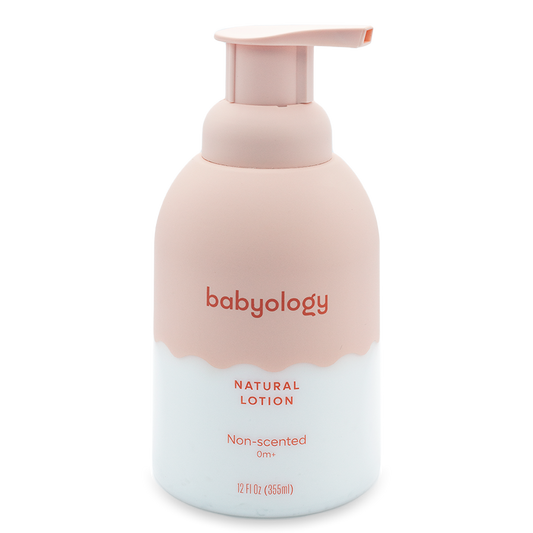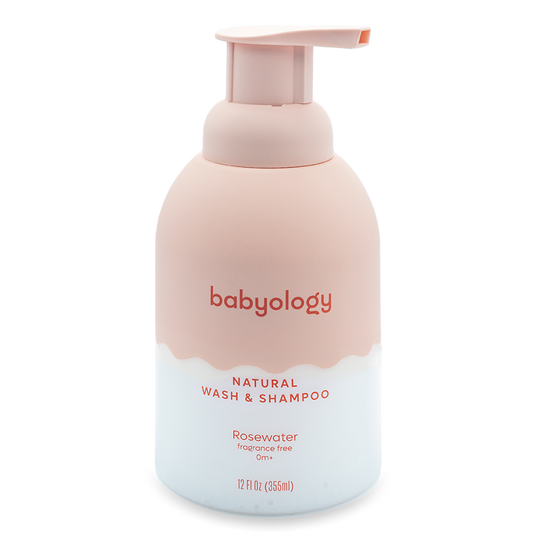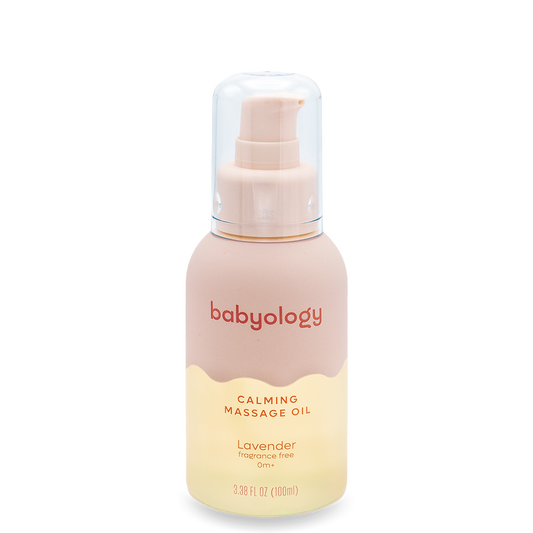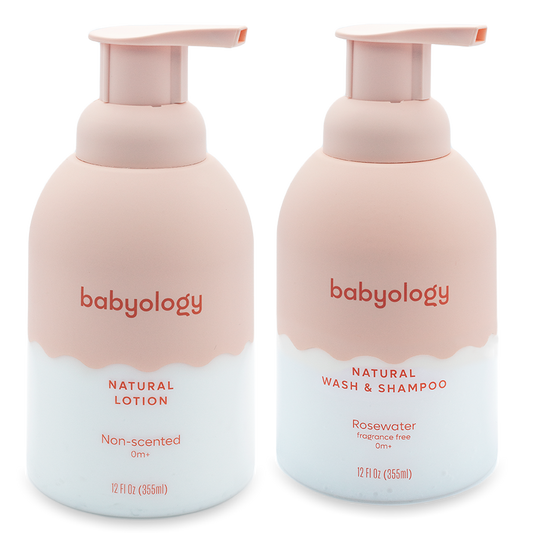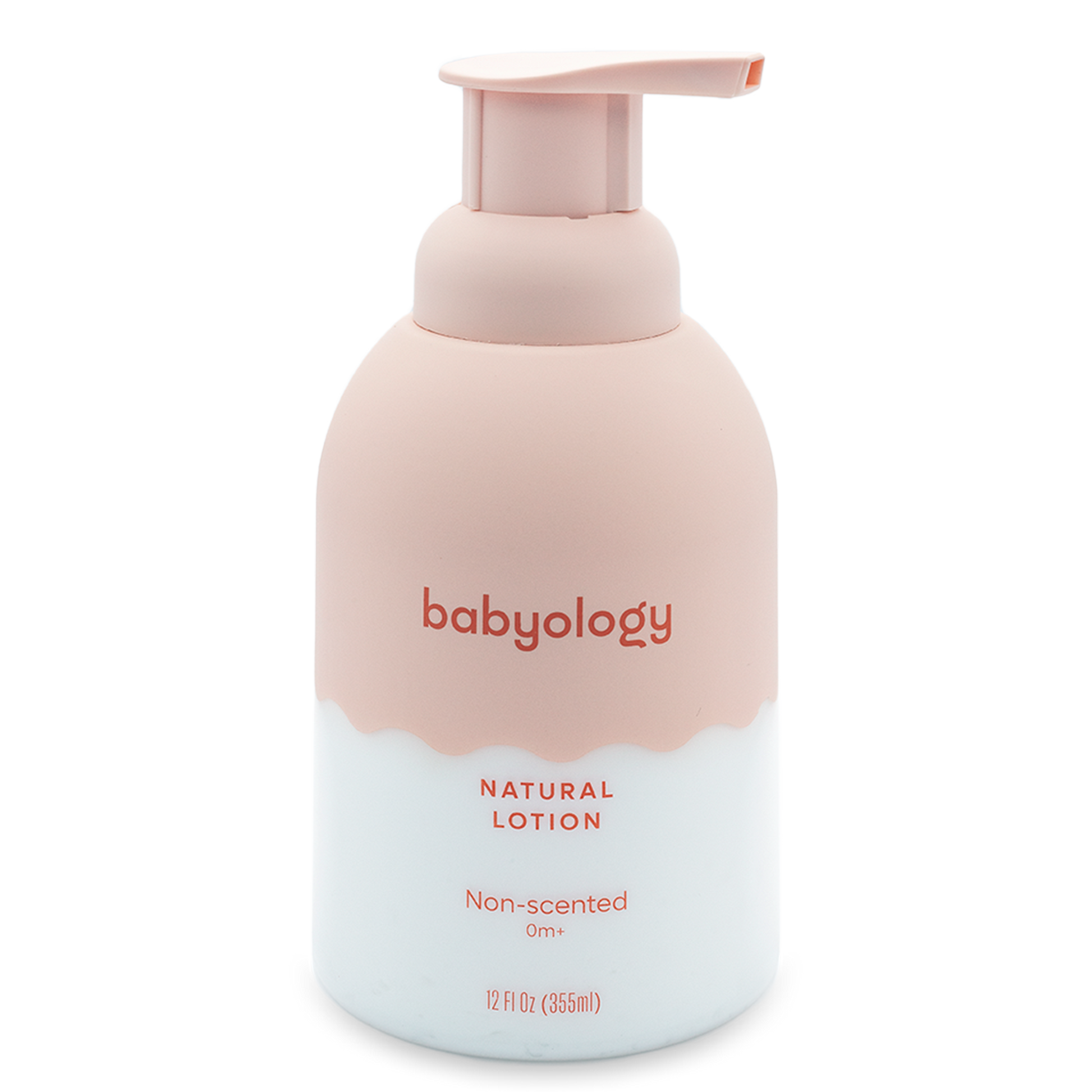
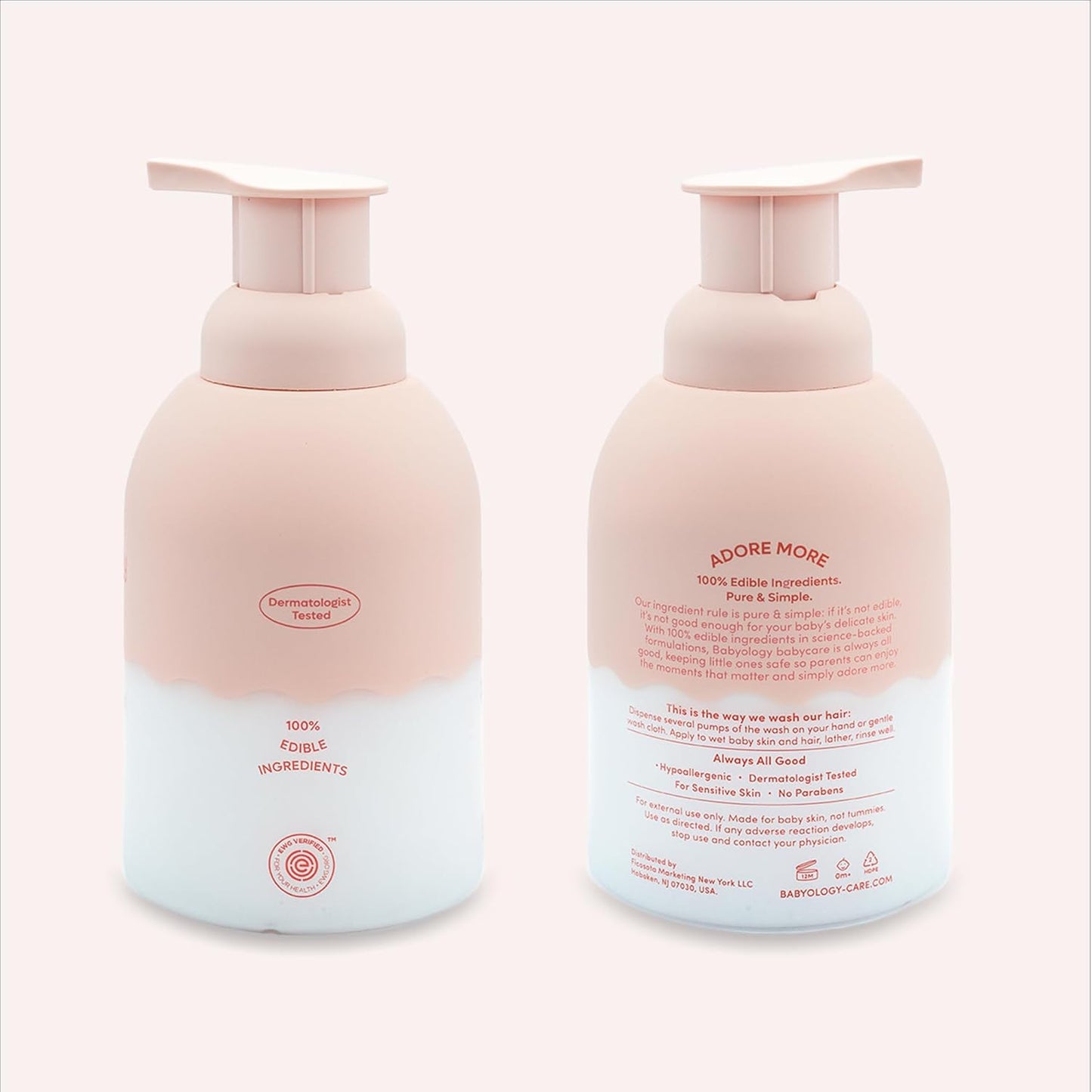
Baby skin reacts fast when the weather shifts. One week your little one feels soft and balanced, and the next, tiny patches or redness start to show. Using the best natural baby lotion helps keep their skin comfortable through these changes.
Some parents also look into the best baby lotion options to compare what works well in different climates.
Seasonal Skin Changes Babies Commonly Experience
Babies feel temperature and humidity changes more than adults because their skin barrier is still growing. Small shifts in the weather can affect how their skin looks and feels.
Common changes parents notice:
-
Dry cheeks during cooler months
-
Rough patches when the rainy season begins
-
Sticky, sweaty skin on hot and humid days
-
Heat rashes in tropical climates
-
Redness after sudden temperature swings
-
Wind irritation in colder seasons
Why Natural Baby Lotion Helps With Seasonal Shifts
A simple, plant-based formula supports the skin barrier so it can handle quick changes in weather. The goal is steady moisture without heaviness or harsh additives.
Natural lotion helps by offering:
-
Hydration that absorbs well
-
Support for a healthy skin barrier
-
Comfort for heat rashes and seasonal irritation
-
Fewer reactions during temperature swings
-
A mild feel that works for face and body
Choosing the Best Natural Baby Lotion for Warm and Humid Weather
Hot and humid days can make baby skin feel sticky, especially in tropical areas where sweat builds up fast. A light, quick-absorbing lotion helps soften the skin without trapping heat or moisture.
Parents usually prefer formulas that feel breathable, calm redness, and soothe small heat bumps. A mild option works best for babies who spend their days in warm rooms, outdoors, or in places with high humidity.
Choosing the Best Natural Baby Lotion for Any Season
Cooler months can pull moisture from baby skin quickly. Dry cheeks, rough arms, and tight-looking skin show up often when the air gets cold or the heater runs too long.
Richer natural lotions with plant butters and oils help lock in moisture and keep the skin soft through sudden drops in temperature. Some parents explore textures similar to those mentioned in our notes on organic baby cream when they need deeper hydration during colder days.
Signs Your Baby Needs More Moisture During Any Season
Since babies can’t tell us when their skin feels uncomfortable, small clues help you adjust their routine early.
Common signs include:
-
Flaky or peeling spots
-
Rough elbows or knees
-
Redness on the cheeks or chin
-
Skin that looks tight or dull
-
More rubbing or scratching
-
Irritated folds in the neck or thighs
How to Apply Natural Baby Lotion Based on Weather Changes
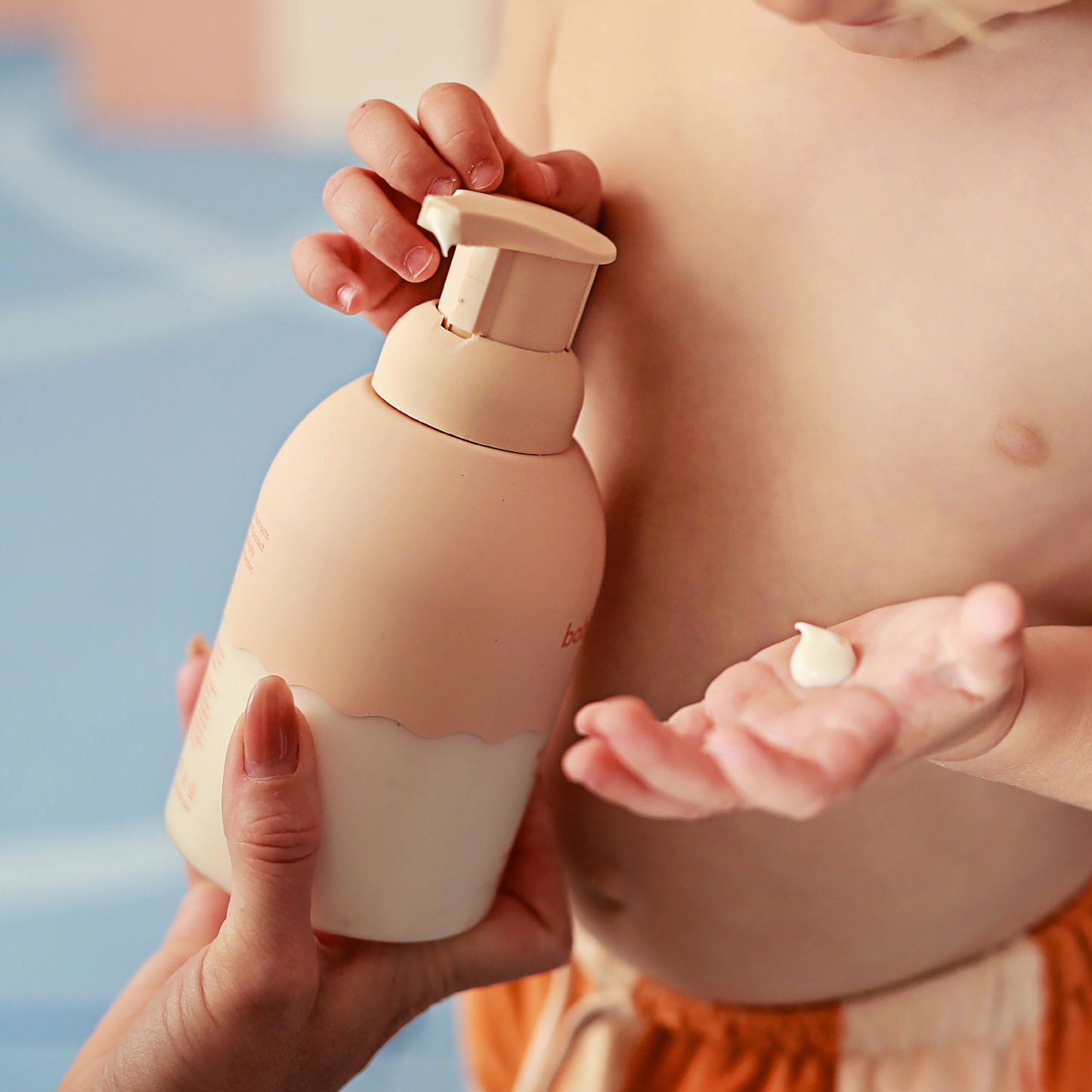
Baby skin needs different amounts of moisture depending on how warm or cool the day feels. A few small adjustments help the lotion work better and keep the skin comfortable.
Simple tips that help:
-
Use a thin layer on hot, humid days
-
Add a slightly thicker layer during cooler months
-
Focus on cheeks, arms, and legs during dry seasons
-
Pay attention to neck folds and tummy areas in humid weather
-
Apply right after bath time for better absorption
-
Reapply lightly on days with extra outdoor time
Safe Natural Ingredients That Help Through All Seasons
Natural ingredients tend to work well across different climates because they hydrate without overwhelming the skin. Each one supports comfort in a unique way.
Parents often look for:
-
Aloe for cooling and soothing
-
Shea or cocoa butter for deeper moisture
-
Coconut or sunflower oil for softness
-
Calendula for calming irritated skin
-
Oat extract for dry or rough patches
-
Glycerin for steady hydration
If you want a clearer idea of how these ingredients help dryness, some families also refer to guides on newborn dry skin lotion when learning about barrier support.
When to Switch Baby Lotions as the Weather Changes
Babies sometimes need a different texture or level of moisture depending on the climate. Watching how their skin reacts makes it easier to know when to switch.
You might notice it’s time for a change when:
-
Skin looks drier than usual
-
Lotion absorbs too quickly
-
Red patches show up more often
-
Weather becomes colder, windier, or more humid
-
Baby spends more time outdoors
-
The skin barrier seems more sensitive than before
Common Myths About Baby Lotion and Weather Changes
Parents hear a lot of mixed advice when it comes to moisturizing a baby’s skin. Some of these ideas sound reasonable but don’t match how delicate skin really works.
Common myths include:
-
“Babies don’t need lotion in humid places”
-
“Cold weather means thick creams only”
-
“Fragrance-free is only for rashes”
-
“Natural lotion isn’t moisturizing enough”
-
“Baby skin adjusts on its own without help”
Clearing up these myths makes it easier to choose the best option for your child’s skin needs through the year.
Why the Best Natural Baby Lotion Works Well Year Round
Seasonal changes can affect baby skin in ways parents don’t always expect. Gentle natural lotion helps keep the skin soft, calm, and balanced whether the day is warm, cool, dry, or humid. Paying attention to small skin changes and adjusting the routine a little can make a big difference in daily comfort.
Some families prefer keeping a single mild option they can use all year, such as a lightweight formula like the natural baby lotion that supports the skin barrier in different climates.
Frequently Asked Questions
Why does my baby’s skin get dry during seasonal changes
Shifts in temperature and humidity can affect the skin barrier, making it lose moisture faster. Babies feel these changes sooner because their skin is still developing.
Is it safe to use natural baby lotion every day
Yes. Mild natural formulas are designed for daily use and help maintain balanced moisture.
Do babies need different lotions in hot and cold weather
Some babies do better with lighter textures on hot days and richer ones during colder months. Small adjustments help keep the skin comfortable.
What ingredients should I avoid in baby lotion
Alcohol-heavy formulas, strong fragrances, and harsh preservatives may irritate sensitive skin. Plant-based ingredients are usually a safer choice.
How do I know if a lotion is gentle enough for newborns
Look for simple, natural ingredients and a lightweight feel. If the lotion absorbs well and doesn’t leave redness or irritation, it’s usually a good fit.